
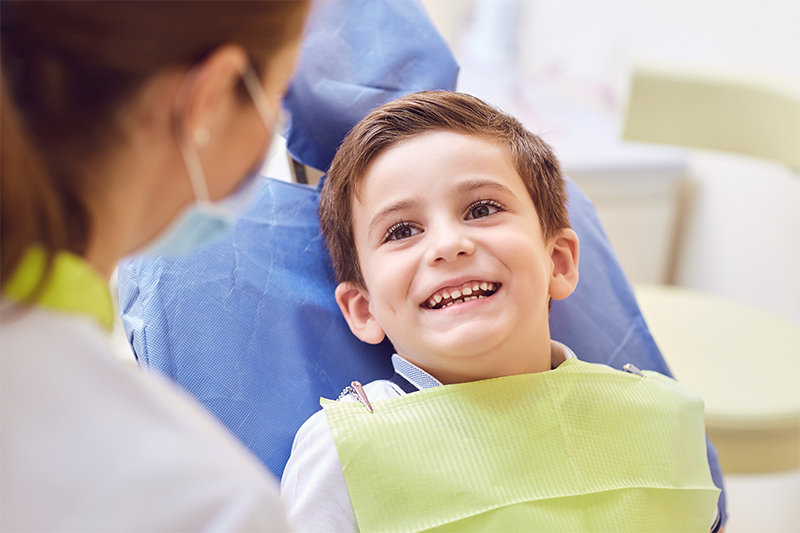
Pediatric Dentistry

Are your kids due for a cleaning? Or are you looking for a dental office that offers pediatric services? At State Street Smiles, we’re proud to offer pediatric dentistry in Hackensack, NJ. Our team excels at helping kids feel calm and safe while under our care!
Routine dental care is important for kids from the time they get their first teeth. With our pediatric dental services, you can help keep your child’s teeth healthy as they grow. Let’s take a closer look at these services, including what they include, how they benefit your child — and when to make that first appointment!
What Is Pediatric Dentistry?
This kind of dentistry involves examining, cleaning, and treating children’s teeth. Even though kids lose their baby teeth, they still need dental care to ensure that their permanent teeth grow in healthy and strong — and stay that way over the years. Pediatric dentistry includes several services, from routine care to restorative treatments for cavities or other problems.
What Benefits Does Pediatric Dentistry Offer?
Bringing your child to our office for pediatric dental care has many advantages, including the following:
- Dental team with training and experience working with kids
- A comfortable environment that helps kids feel at ease
- Routine care to find problems early and keep teeth clean
- Guidance on caring for kids’ teeth at home, including flossing and brushing
- Referrals or recommendations for orthodontic services, such as braces
Types of Pediatric Dental Services
Our office provides many types of care for pediatric patients. Whether your child needs a regular exam or a filling, our dental team is ready to help! The following are some of the different pediatric dentistry services we offer.
Dental Cleanings and Exams
Just as you see a dentist for teeth cleanings and checkups, your child should be doing the same. Pediatric cleanings and exams help us find issues with tooth and gum development or other oral health problems sooner rather than later. That makes it easier to address these issues promptly and prevent potential complications.
For example, tooth decay can end up affecting speech development. Regular cleanings remove plaque and tartar on your child’s teeth that can lead to decay. If we do find signs of decay, we can address these right away to stop it from getting worse.
Sealants
No matter how often kids brush their teeth, they might not be able to completely clean all of the grooves and other surfaces in their premolars and molars. These areas can be hard to clean, even for adults. If plaque builds up on these surfaces, that can turn into tooth decay.
Dental sealants are designed to protect these vulnerable surfaces from bacteria. We apply sealants to kids’ teeth to help reduce the risk of tooth decay.
Fillings
Does your child have a cavity? If so, having it treated helps lower the risk of severe decay, infections, and tooth loss. Our dental team can treat cavities in kids’ teeth with fillings. This involves removing the decayed part of the tooth and replacing it with dental material.
We typically use fillings that are the same color as teeth, especially in the front of the mouth, to help your child maintain their natural smile. But other materials are sometimes used for back teeth, including molars.
Fluoride
Looking for other ways to prevent tooth decay in your child’s teeth? Fluoride treatments offer an effective way to prevent cavities. This mineral helps keep tooth enamel strong, making it harder for harmful bacteria to invade and cause cavities. We might also recommend using fluoride products at home, such as toothpaste that contains this mineral.
When to See a Pediatric Dentist?
Does your child have any teeth yet? When their first teeth show up, plan on bringing them in for an initial exam within 6 months or so. Or you can have them visit us around their first birthday. This gives our pediatric dentists a chance to examine their baby teeth and check for any issues that need to be addressed.
After that, we recommend bringing your child in for exams and cleanings twice a year — or more often if needed. We might also see your child more often if they need any restorative dentistry due to decay or other issues.
Tips for Preventing Dental Anxiety in Kids
What can you do to help your child feel more comfortable and less scared of going to the dentist?
- Do play sessions where you pretend they’re at the dentist, so they know what to expect
- Bring them in when they’re around a year old or earlier to get them used to visiting us
- Give kids rewards after going to the dentist — but try to avoid sweets!
- Avoid negative words when talking about dental visits, such as “pain”
FAQs
When should kids have their first dental visit?
Plan to bring your child to their very first appointment when they’re about a year old or within 6 months of them getting their first teeth — whichever comes first.
How often do kids need exams and cleanings?
Kids should typically have their teeth cleaned and examined about every six months. We may recommend more frequent visits if your child has any dental issues we need to keep an eye on.
Are sealants permanent?
No, they won’t stay on your child’s teeth forever. But they do last for several years, providing them with protection from childhood cavities. Kids should get sealants when they get their permanent molars.
Why is fluoride important for kids’ teeth?
The short answer is that it strengthens enamel — and kids need strong enamel to protect their teeth from bacteria and decay. Dental fluoride treatments are a great way to help lower your child’s risk of having cavities and needing fillings.
Are dental X-rays harmful for kids?
They’re generally considered safe, especially when we take precautions, such as having kids wear a lead apron. The radiation exposure from X-rays is extremely minimal. Note that these images are important for our dentists to have in order to check for growth problems or other dental issues.
Is thumb sucking harmful for my child’s teeth?
Yes, it can lead to problems with your child’s bite or tooth alignment if they suck their thumb when they’re around 3 years old or older. This puts them at risk of needing braces or other orthodontic treatments as they get older.